Glass Façade Repair & Restoration

We deliver technically defined facade remedial works for commercial buildings, addressing system failures, performance issues and compliance requirements across curtain walling, structural glazing systems, facade interfaces and glazing assemblies.

  • Single-Glazed Panel, IGU & Spandrel Replacement
  • Structural Silicone & Weather-Seal Renewal
  • Perimeter Interface Remediation
  • Appearance Restoration Works

Targeted Glass Façade Repairs for Leaks and Glazing Defects

Glass façade defects can arise from the glazing unit, bead or retaining detail, gaskets, sealant joints, drainage paths or an interface with the frame or surrounding construction. The point where water becomes visible is not always the point where it enters. Evidence-led assessment is therefore important before façade sealant repair, gasket replacement or another remedial detail is specified.

Alu-Glaze carries out commercial glazing façade repair and glazing remedial works for failed units, damaged glass, degraded seals and recurring water ingress. The assessment considers the glass or insulated unit, how it is retained, the condition of adjacent components and whether the defect is local or repeated across the elevation. Where controlled investigation is required, the work can begin with a commercial leak investigation. Curtain wall system defects are coordinated through curtain wall repair, with the broader building programme managed through Façade Remediation.

Typical work includes controlled testing and façade investigation to identify water-ingress pathways within curtain walling, glazing assemblies and interface junctions, followed by targeted remediation. Failed IGUs, spandrel panels, movement-related cracking, defective perimeter seals and non-compliant glazing or fixing details can then be converted from a defect list into a clearly defined, prioritised remedial scope.
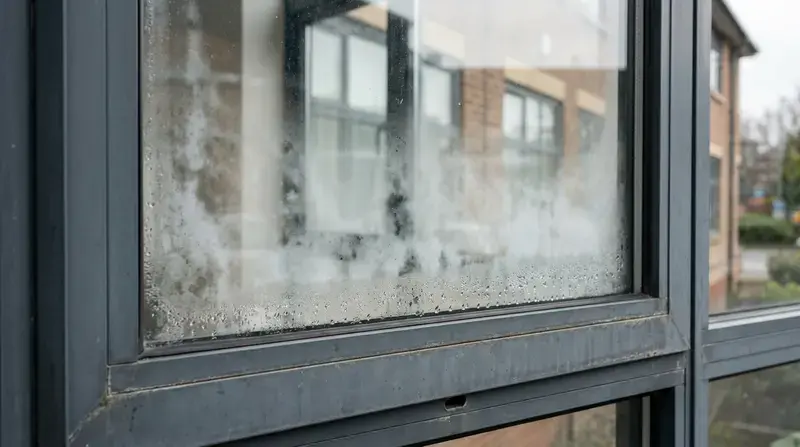
Condensation inside a failed double-glazed unit in a dark aluminium frame
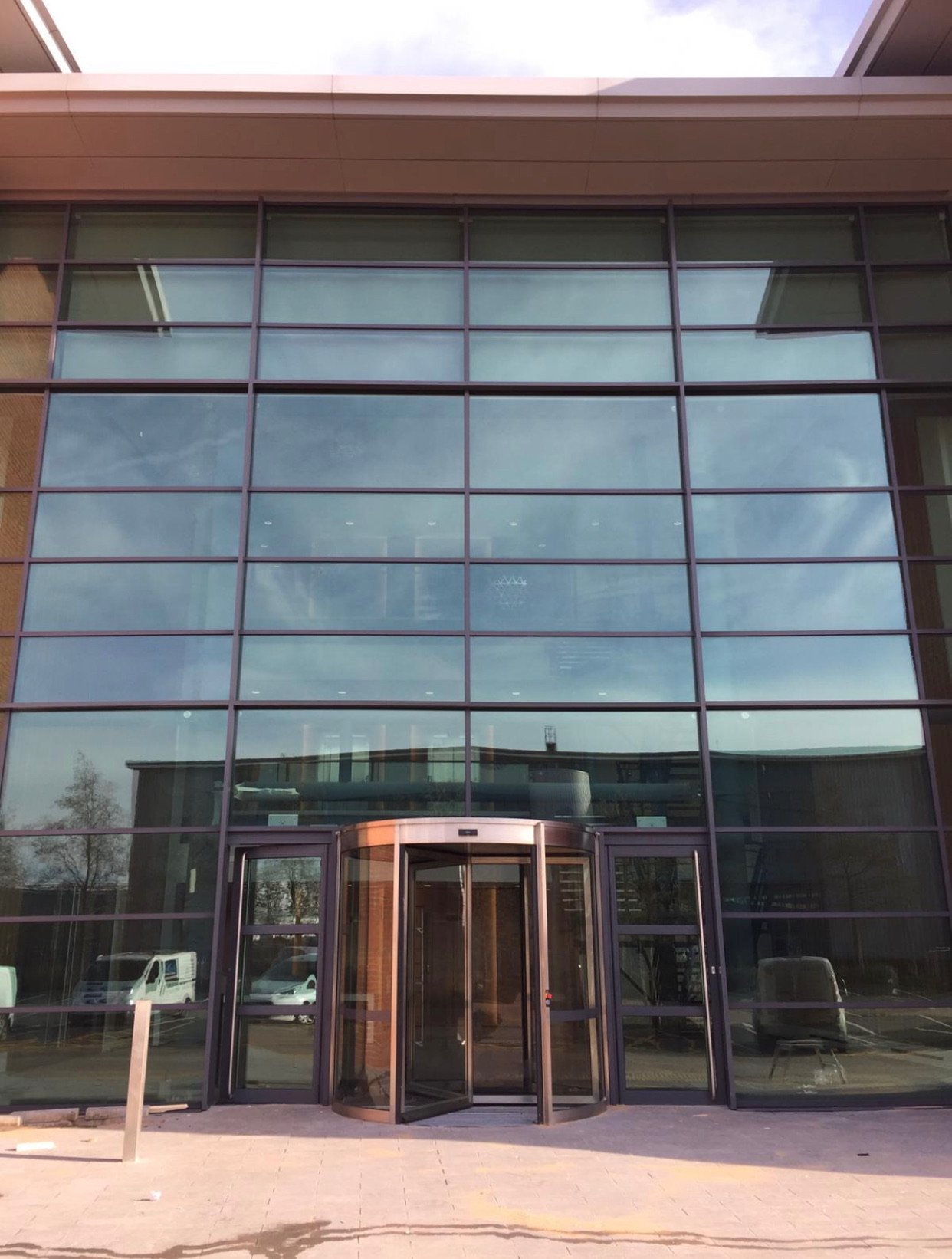
Glass façade repair and replacement on a commercial building

Glass Replacement, Seal Renewal and Remedials Around Live Buildings

Replacing one façade glass unit may be practical, but the method depends on the glass build-up and safety specification, panel size and weight, retention system, access, surrounding condition and availability of a suitable replacement. Seal and gasket work also requires compatible materials, correct preparation and treatment of the complete joint or interface. These factors determine whether the right response is a local replacement, a defined run of remedials or a wider elevation programme.

Work around an occupied commercial building may require protected zones, controlled removal, lifting arrangements, temporary weather protection and completion checks. Where height and specialist access define the delivery method, the project can be planned through high-level glazing and access. A formal review through Surveys & Technical Reports can establish condition and priorities across several panels or elevations. Structurally bonded glazing remains within the structural glazing repair service rather than being treated as a conventional retained-glass replacement.

FROM DIAGNOSIS TO DELIVERY

How Our Façade Remedial Process Works

01

Defect Report

We review drawings, photographs, O&M manuals where available and existing reports to determine the nature, extent and likely causes of facade defects. Where required, we attend site to assess conditions, prioritising active water ingress or safety risks. For planned works, we align our assessment with programme and compliance requirements.

We also consider access, sequencing and interfaces with other trades to ensure remedial works are practical and site appropriate.

02

Remedial Specification

Following assessment, we develop a clearly defined remedial proposal, outlining scope, methodology and access strategy aligned to site conditions. This includes preparation of technical specifications, detailing materials, system interfaces and remedial requirements across curtain walling and glazing assemblies.

The proposed scope is structured to reflect building use, operational constraints and programme requirements, ensuring works are practical and deliverable.

03

Programmed Delivery

Upon formal instruction, works are delivered in accordance with the agreed scope, drawings and specifications, using controlled installation methods and site specific RAMS. Site operations are managed through coordinated work zones, temporary make safe measures where required and controlled working environments to ensure safe execution within live buildings.

Installation is monitored against specification requirements, with ongoing quality checks and recorded progress to ensure works meet project and performance criteria.

Façade Remedial FAQs

Common Questions