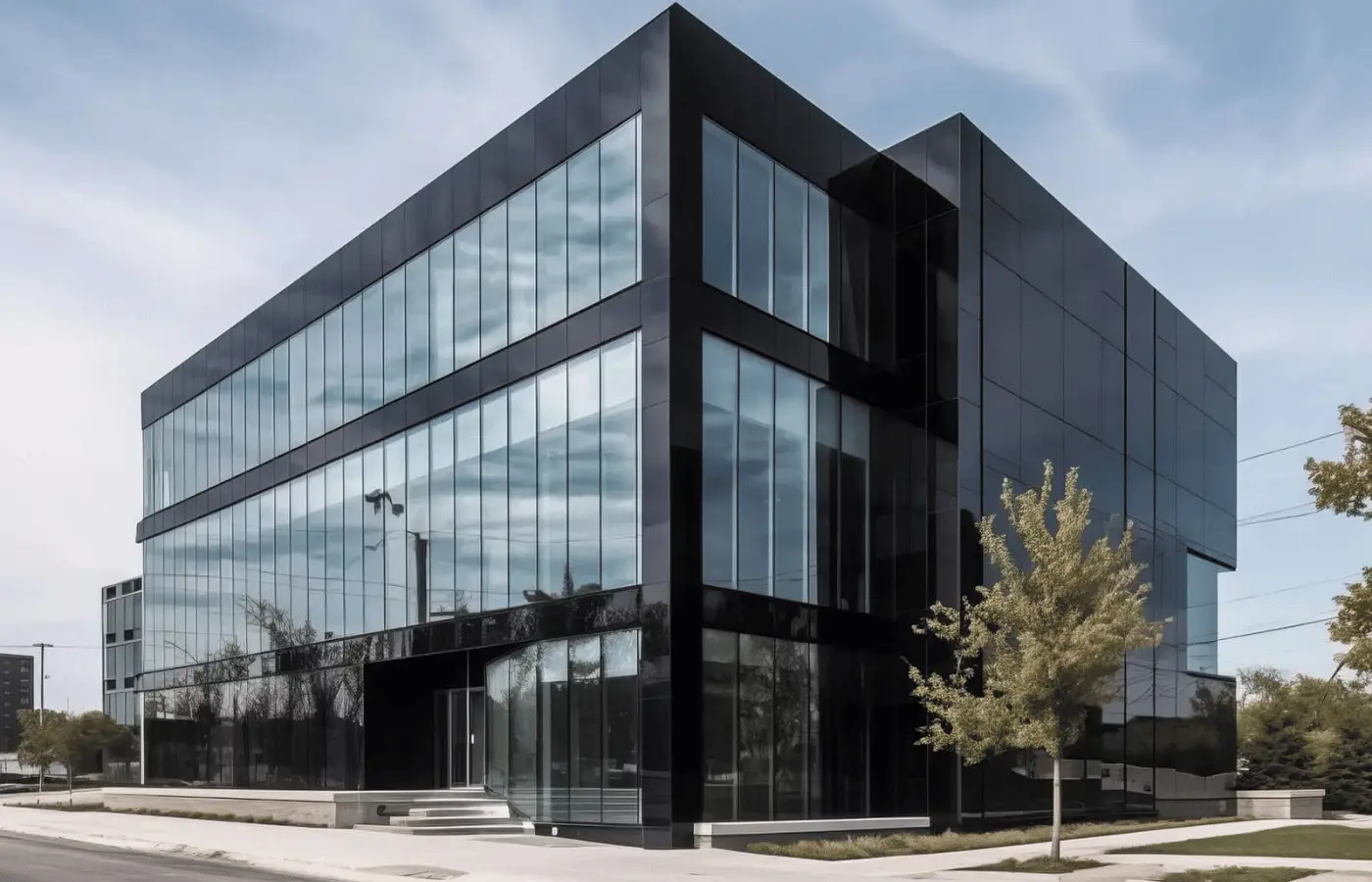
How Aluminium Window Systems Work
Aluminium windows use lightweight, high-strength extruded frame sections that allow slim sightlines and larger glazed areas. This is why aluminium systems are common across offices, hospitals, schools, retail, hotels, and mixed-use commercial assets.
Modern systems rely on thermally broken profiles to limit heat transfer through the frame. Older, non-thermally broken systems usually perform poorly and are often the primary reason for draughts and heat loss. In many cases, a structured upgrade programme combining frame improvements and new insulated glazing units can significantly improve performance and comfort.
Single Glazed Glass
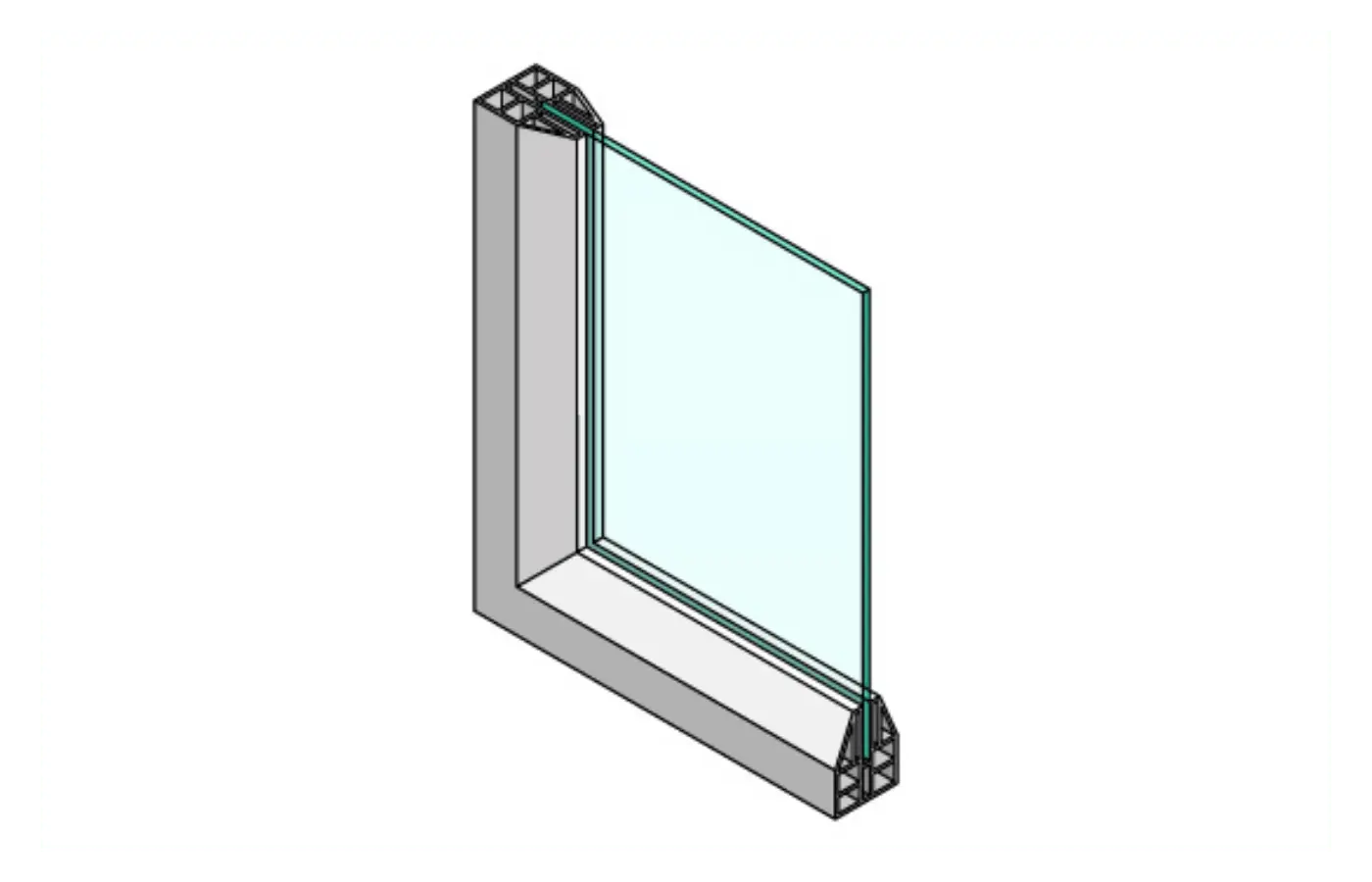
Single glazing is one pane of glass, typically 4 to 10 mm thick. It offers minimal insulation and limited acoustic control, which is why it is mostly found in older stock and legacy installations.
Typical thermal performance is poor, often around 5.8 W/m2K. If single glazing is still in place, moving to insulated glazing can provide a large energy improvement, subject to frame condition and profile depth.
Double Glazed Glass
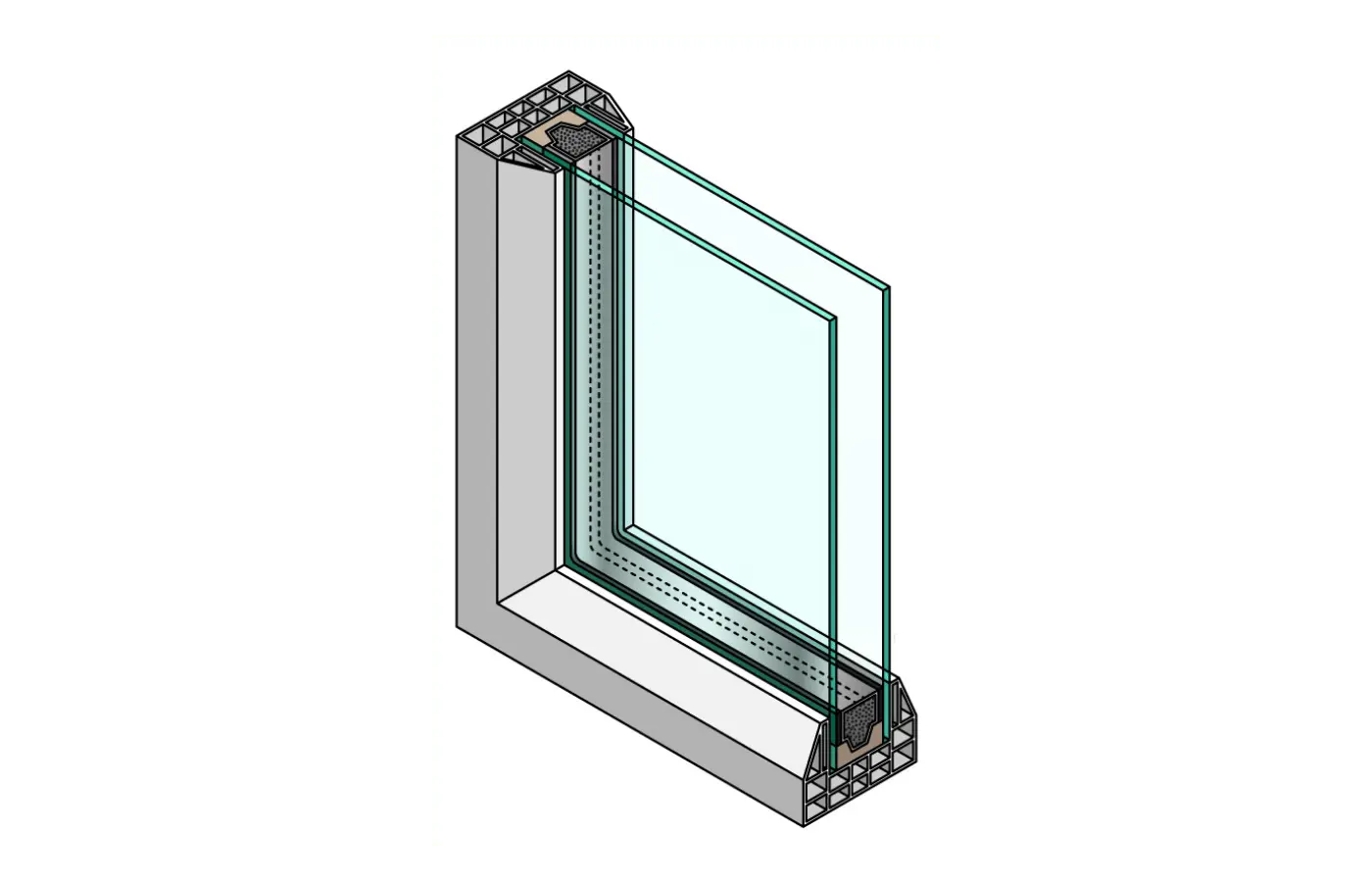
Double glazing uses two panes separated by a spacer and sealed cavity, usually with argon gas. This is the standard commercial baseline across the UK because it provides a strong balance of thermal, acoustic, and cost performance.
Typical U-values can be around 1.4 W/m2K when correctly specified, and noise reduction is significantly improved over single glazing. The most common long-term failure is perimeter seal degradation, resulting in moisture between panes and misted units.
Triple Glazed Glass
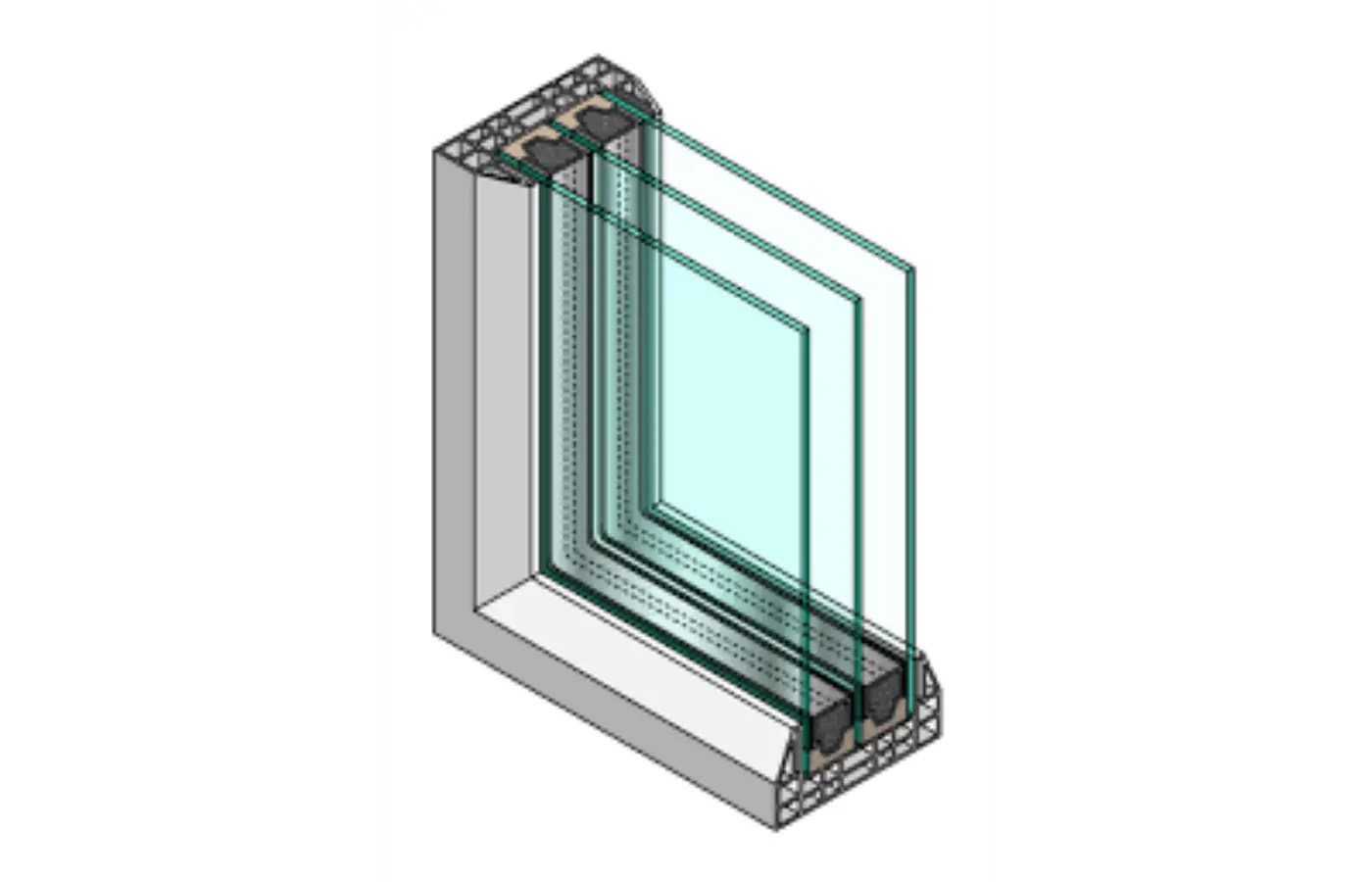
Triple glazing adds a third pane and second cavity, reducing heat transfer further and improving acoustic performance in high-exposure locations. It is often specified for projects targeting enhanced energy standards or strict thermal requirements.
The trade-off is weight and depth. Triple units are heavier and thicker than standard double units, so not every existing aluminium frame can accept them without system-level modification.
Tempered Glass
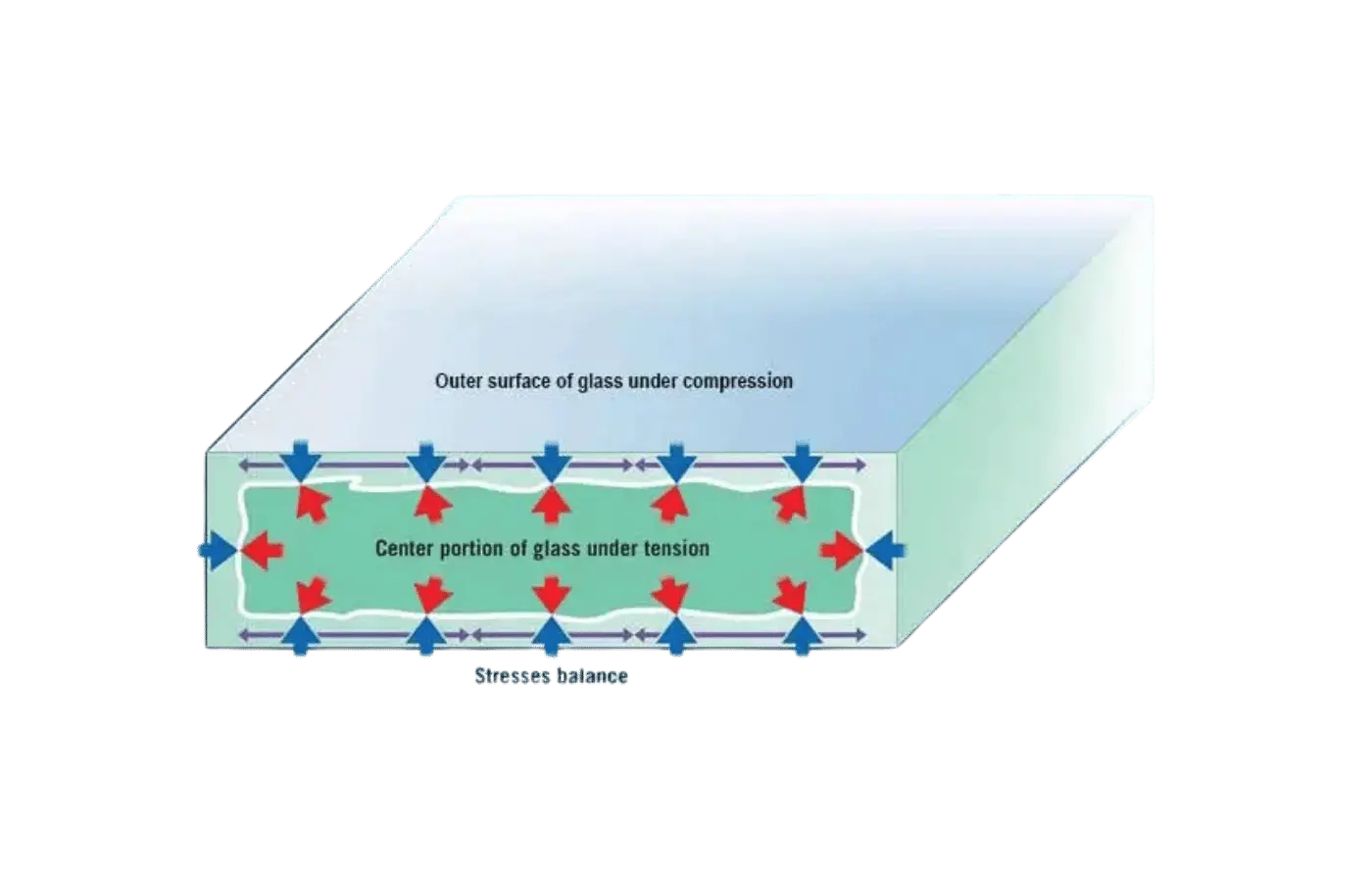
Tempered (toughened) glass is heat treated to increase strength and impact resistance. When broken, it fragments into small blunt pieces rather than large sharp shards, making it suitable for many safety critical locations in commercial buildings.
This glass is commonly specified at entrances, high-traffic zones, and other impact-prone areas. All processing must be completed before tempering, so survey and fabrication accuracy are essential.
Laminated Glass
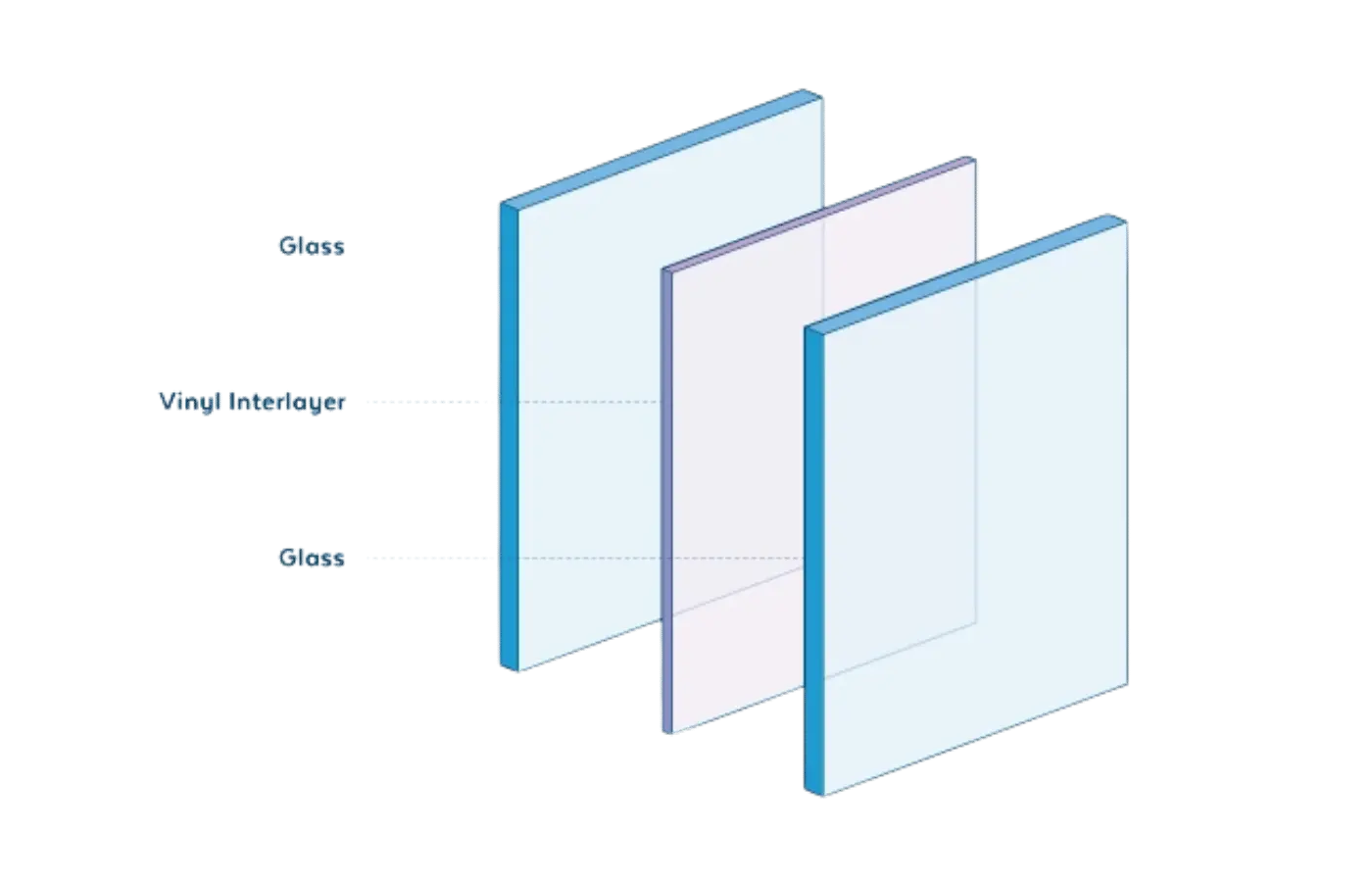
Laminated glass bonds multiple panes with an interlayer that retains fragments after breakage. This is valuable for security, overhead locations, and facades where post-breakage retention is required.
It can also support stronger acoustic performance and UV reduction depending on interlayer type. In many specifications, a combined toughened outer pane and laminated inner pane gives a practical safety and security balance.
Specialist Coatings and Glass Treatments
Beyond core glass type selection, coatings and treatment choices heavily influence performance. Common options include Low-E coatings to improve thermal control, solar control glass for overheating management, acoustic laminates for noise reduction, and fire-rated glass where compartmentation requirements apply.
These options should be selected against building orientation, occupancy profile, and compliance targets, not as isolated upgrades.
How to Choose the Right Glass for Your Building
Focus selection around four practical criteria: required U-value, safety/security obligations, acoustic targets, and lifecycle cost. A lower upfront specification can increase long-term spend through heat loss, frequent callouts, or early unit failure.
A technical survey remains the most reliable starting point. It confirms existing frame condition, achievable unit depth, safety requirements, and whether a glass-only upgrade or full system replacement is the most cost-effective route.
Frequently Asked Questions
Is upgrading from single to double glazing worth it?
In almost all commercial scenarios, yes. Performance gains are substantial and usually justify the upgrade.
Can existing aluminium frames accept upgraded glazing?
Sometimes. It depends on profile depth, system condition, and load tolerance. A survey is required.
How long do double glazed units typically last?
Quality IGUs commonly last around 15 to 25 years before seal degradation risk increases.
What is usually specified in curtain walling?
Often toughened outer panes with laminated inner panes, subject to wind load, height, and fire strategy.